Aging with Purpose: The Power of Meaningful Engagement with Society
Senior Community Services
For more information about the author, click to view their website: Senior Community Services
Mar 31, 2024
Minnesota - Twin Cities Metro Area

Email US
Click to Email Us
As we
all continue to age, the question of how to ensure a fulfilling and healthy
life for older adults becomes increasingly important. Recent research,
including a comprehensive analysis by the McKinsey Health Institute (MHI),
underscores the pivotal role of societal engagement in promoting well-being in
old age.
The
Foundation of Well-being: Good Relationships
The cornerstone of a fulfilling old age lies in cultivating
meaningful relationships—with others and with society at large. The MHI survey
of adults aged 55 and older across 21 countries affirmed this, with purpose in
life and meaningful connections emerging as vital factors in promoting the
health of older adults worldwide. Personal fulfillment and social bonds were
frequently cited as key motivators for work or volunteering, underscoring the
intrinsic value of engagement.
The
Health Dividends of Societal Engagement
Engagement in societal activities emerges as a powerful
catalyst for older-adult health. Those who participate experience a notable
boost in overall perceived health, according to MHI survey data. This aligns
with extensive academic research, revealing six key health benefits of societal
participation: reduced mortality rates, decreased cognitive disability, lower
functional disability and frailty, decreased loneliness and depression,
increased physical activity, and heightened meaning and quality of life.
The
Harvard Study of Adult Development stands as a compelling testament to the
pivotal role of relationships in healthy aging. Good relationships emerged as
the strongest predictor of happiness and health in old age, affirming the
profound impact of meaningful connections.
Breaking
Down Barriers to Participation
Despite the evident benefits, numerous barriers hinder
older adults from active engagement. Outdated beliefs regarding age, isolated
efforts across sectors, inequitable access, gaps in structural support, limited
data, and an under-researched landscape all contribute to this challenge.
Addressing these barriers requires a fundamental shift in societal attitudes
and infrastructure, extending across social, physical, and political realms.
Societal
participation holds the key to unlocking a vibrant, healthy future for older
adults. By breaking down barriers, empowering older individuals, encouraging
collaboration, and investing in support structures, we can pave the way for a
more inclusive, engaged society. The collective effort of governments,
employers, communities, and older adults themselves is essential in building a
world where aging is synonymous with purpose, fulfillment, and vitality.
Together, we can usher in a new era of healthy, purposeful aging for all.
About
the Author:
Deb Taylor is the CEO of Senior
Community Services, a local nonprofit with a mission
to empower people as they age, through serving compassionately, connecting
communities, and supporting independence.
- To view the original version of this article visit seniorcommunity.org/aging-with-purpose-the-power-of-meaningful-engagement-with-society/
- Seniors Blue Book was not involved in the creation of this content.
Other Articles You May Like
How Do You Know When a Parent Needs More Help at Home?
A parent may need more help at home when everyday tasks become unsafe, inconsistent or so difficult that they stop doing them. The clearest signs are usually repeated problems with meals, hygiene, mobility, appointments, medication routines or being alonenot simply reaching a certain age. Families in Broomfield, Colorado, can use these changes to decide whether occasional assistance, regular personal care or more extensive supervision is appropriate. Start With What Has Actually ChangedThink about the past month rather than the past day. Has your parent stopped cooking foods they once enjoyed? Are there unopened groceries, missed appointments or frequent calls for help getting out of a chair? Have they become reluctant to bathe because they are worried about falling? These changes are more useful than a general statement that someone is slowing down.Ask what feels hardest and listen to the answer. Someone may be physically able to prepare food but too tired to shop. Another person may have plenty of energy but feel anxious leaving the house alone. Matching care to the real obstacle helps avoid both too little support and unnecessary restrictions. When Is Companionship Enough?Companionship may be a good starting point when a person can manage personal hygiene and move around safely but needs social interaction, help staying active, or an extra set of hands for errands. A caregiver might share a meal, accompany someone to an activity, help with light household tasks or provide conversation during the day.If the main concern is loneliness or difficulty getting to appointments, these visits may fill an important gap. But companionship alone is not a substitute for hands-on support when bathing, dressing, toileting or transfers are no longer safe. When Does Personal Care Make More Sense?Personal care becomes more relevant when basic self-care takes considerable effort or creates risk. Common examples include needing assistance stepping into a shower, putting on clothes, moving between a bed and chair, or maintaining a regular hygiene routine. Some families also arrange support around meal preparation and medication reminders, depending on the service plan.It helps to ask which activities can still be done independently and which require a nearby helper. The answer may vary by time of day. A person who is steady in the morning might have difficulty moving safely when tired in the evening. Care should be tailored to those patterns instead of assuming the same level of help is necessary all day. What if Your Parent Has Alzheimers or Another Dementia?Memory changes introduce different questions. Does the person become disoriented outside the home, forget meals, repeat tasks unsafely or have trouble following familiar routines? Consistent companionship and dementia-informed activities may help someone stay engaged, but supervision needs should be assessed carefully. A medical professional can evaluate new or worsening symptoms and help rule out treatable causes of confusion.Friends for Life offers Alzheimers and dementia care as part of its non-medical services. Families should describe the specific behaviors and times of day that are difficult, then ask how the agency would address those needs within a home care plan. Does Your Family Need Respiteor a Longer Care Schedule?Sometimes the older adults needs have not dramatically changed, but the family caregiver is reaching a limit. Interrupted sleep, missed work, reduced social time and constant worry can signal the need for respite care. Scheduled relief allows a spouse or adult child to step away while another caregiver provides agreed-upon support.For more complex situations, ask about extended shifts, 24-hour care and live-in care. These terms should not be treated as interchangeable: staffing arrangements, sleep expectations, coverage and prices can differ. Clarify who is present during overnight hours and what happens if the person needs help multiple times at night. If medical monitoring or treatment is required, ask a clinician about appropriate medical services alongside non-medical care. Five Questions to Ask Before Hiring HelpBefore choosing an agency, make sure you can answer five practical questions: What tasks will the caregiver do? How many hours and which days are needed? What screening and training are provided? Who covers a missed shift? How will changes in the care plan be handled? Ask for the written terms, including visit minimums and cancellation policies, so that everyone understands the arrangement.Include your parent in decisions wherever possible. Try framing the conversation around one difficult task or a trial schedule rather than announcing that they can no longer manage on their own. Protecting dignity is part of making home care sustainable. Where Can Broomfield Families Start?You do not need to predict every future need before asking for help. Begin with the routines that are becoming difficult, then revisit the plan as circumstances change. Friends for Life provides companionship, personal care, family respite, dementia support and other non-medical home care options in Broomfield and the greater Denver metro area. To talk through a parents situation or arrange a consultation, visit https://friendsforlifeinc.com/ or call (303) 321-2822.
In-Home Personal Care in Broomfield, CO Helps Seniors Stay Comfortable
For many older adults in Broomfield, the goal is simple: keep living at home while getting a little help with the tasks that have become difficult. In-home personal care can make that possible. Rather than changing where someone lives, a caregiver comes to the home to assist with everyday routines, from getting dressed to preparing a meal. The right arrangement protects independence without ignoring practical safety needs. What Does In-Home Personal Care Include?Personal care is hands-on help with activities of daily living. Depending on the persons needs and the care plan, this may include bathing, grooming, dressing, toileting, walking, transfers and reminders to take medication. It is different from skilled home health care, which involves medical services delivered by appropriately licensed clinicians. Families should be clear about which type of help they need before arranging visits.Friends for Life provides non-medical in-home support in Broomfield and across the Denver metro area. Its personal care services address everyday tasks that may be challenging because of age, limited mobility or changing health. A caregiver can also help keep the day organized, while the person receiving care continues to make choices about routines and preferences. Signs It May Be Time to Arrange Help at HomeA need for care does not always begin with a major event. Small changes often appear first. A parent may wear the same clothes for several days because dressing hurts, or begin skipping showers out of fear of slipping. Grocery bags may sit unopened, and household chores may pile up. Someone who used to attend regular appointments may start canceling because getting ready and leaving the house is exhausting.Look for patterns rather than a single off day. Repeated difficulty with hygiene, unsafe transfers, missed meals, growing isolation or caregiver fatigue all merit a conversation. If a loved one has sudden confusion, a fall with injury or another acute medical change, seek medical advice promptly instead of assuming non-medical care will solve it. Support Beyond Bathing and DressingKeeping a home routine manageable often takes more than personal care alone. Meal planning and preparation may help someone eat consistently. Light housekeeping and laundry can reduce clutter. Companionship can add conversation and activities to an otherwise quiet day. Accompaniment can make appointments, errands or a trip out with friends easier to manage.These services can work together, but they should be selected around the individual rather than automatically bundled. A senior who manages bathing independently might only want help with shopping and cooking. Another person may need regular assistance with dressing and safe movement, while family members continue to handle other errands. How to Choose a Home Care Schedule in BroomfieldStart with the hardest parts of the day. Is getting ready in the morning the main concern? Does a spouse need coverage while attending work or appointments? Are evenings more difficult because fatigue affects mobility or judgment? Writing down those specific times makes the first conversation with an agency much more useful.Ask about minimum visit lengths, caregiver availability, how coverage is handled when a regular caregiver is absent, and what happens if needs increase. Discuss costs, cancellation terms and whether the agency is private pay. Friends for Life lists different service options, including companion care, personal care and longer-duration support; families should confirm current rates and the schedule that fits their circumstances. What to Discuss During an In-Home AssessmentAn assessment should cover more than a checklist of chores. Explain how the person moves around the home, any trouble with stairs or bathing, preferred meals, communication needs and daily habits. Share the tasks family members can continue to do and those they cannot reliably cover. Invite the older adult into the conversation as much as possible; a workable plan depends on their comfort and preferences.It is also worth asking how caregivers are screened, how care instructions are shared and whom to call when a schedule needs adjusting. A good fit involves practical competence and personal rapport. If needs change, the care plan should be reviewed instead of continuing on autopilot. Getting Started With Local In-Home CareHome care works best when it solves a clearly identified problem while preserving the persons daily choices. For Broomfield families exploring help with personal care, meals, companionship or respite, Friends for Life offers a consultation and customized care planning. To discuss available services or request an in-home assessment, visit https://friendsforlifeinc.com/ or call (303) 321-2822.
How to Organize After the Holidays
Hey there! Do you already have your holiday decorations put away, or will your Christmas tree be up until February? To be honest, I can be either person, depending on the year. This year, Ive been a little slow to pack up my garlands and lights, but thats ok. Organization doesnt mean being perfect all the time.The holiday season can bring fun and joy, but it can also bring chaos to the systems in your home. Theres a proliferation of stuff -- cards, packages, gifts of all kinds, decorations, wrapping paper, social engagements, emotions. After all the partying is over, we can be left with a feeling of overwhelm. As a professional organizer, here are my tips for how to handle all of the stuff that came into your house over the holidays and bring (a little more) peace to your home and heart: Decide what to keepThis is really the first (and most critical) thing to do as soon as youre ready to move on from the holidays. Take a look at everything that came into your house during the season and keep only what you truly want to have. I dont recommend keeping anything you dont love, need, or want, even if it was a gift (more on that below). If you shove that ugly sweater in a closet, forget about it, and discover it two years later, youll still have to make the same decisions about what to do with it. Decide what to do as soon as you can. Find a home for everything youre keeping (and put it there right away). If you are keeping a newer/different version of something you already own (for example, you got a nicer coffee maker for Christmas), consider donating or discarding your old item. In other words, follow the one-in, one-out rule if its appropriate.Let go of unwanted gifts Something I hear all of the time from clients is I dont really like this, but it was a gift and I feel guilty about giving it away.I know that gifts can be tricky. I think honoring the intention of the gift given to us is actually more important than holding onto the actual physical object. Usually, someone gives you a gift to show you that they care about you or because they hope youll enjoy it, not because they expect you to become the permanent caretaker of that object. (And if someone gives you a gift receipt, they dont mind if you return it dont feel guilty!)So how do I handle gifts I dont love? I go out of my way to thank the giver in a way thats sincere. I dont tell someone I loved a particular gift if I didnt, but I do thank them for thinking of me and for their generosity. If I dont want or cant use a gift, I pass it on to someone who can enjoy it more than me. That may mean donating it to a charity, giving it away through my local Buy Nothing group, or regifting to someone who I know would appreciate it. Sort the trash and recyclingYou probably ended up with lots of boxes after Black Friday. Go through any extra packaging and recycle, throw away, or give away what you cant use immediately. My clients often have a ton of empty boxes they are saving for someday, but those boxes can take up a lot of space (and its likely that more will come into your home soon). Getting them out is one of the easiest ways you can make your home feel less cluttered immediately. If you have boxes in good condition, you can post them on your local Buy Nothing or neighborhood social media group for someone who is moving. Take another look at your holiday cardsBefore you shove them into a box, look at each card individually. Is this specific card something that will be meaningful to you in a year? 10 years? If its not, appreciate the person who sent it to you and recycle the card. If it truly is a keepsake, save it in an album or memory box. Evaluate your holiday decorMany of my clients struggle with accumulating and storing holiday decor. I recommend thinking about any decor you didnt put out this year will you put it out next year, or are you over it? Do you have more than you can use? Set aside anything you no longer love or want to donate next fall before the holidays (generally, thrift shops do not have space to store out-of-season items for long periods of time). And make sure to carefully store the items you do love and so you can enjoy them next year
Local Services By This Author
Senior Community Services
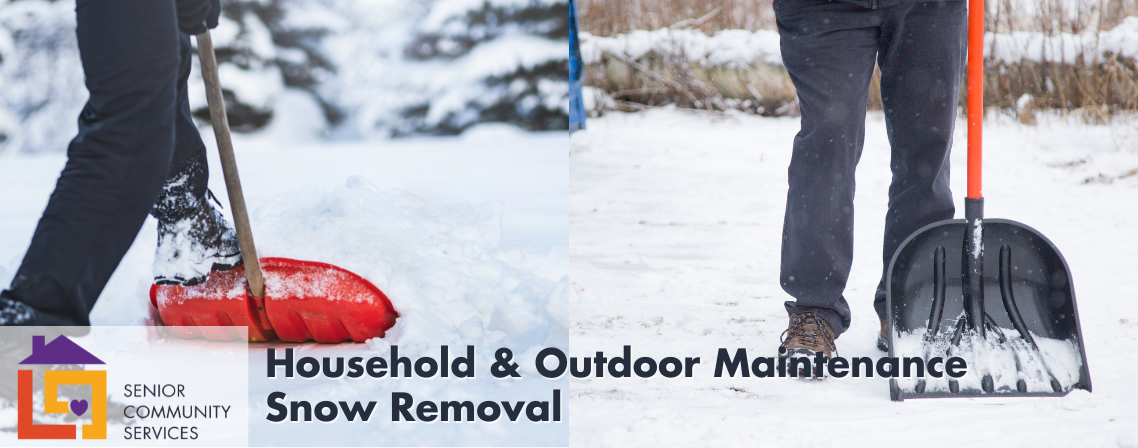
Snow RemovalSenior Community Services is a nonprofit organization with a mission to empower people as they age and a vision to Reimagine Aging by serving compassionately, connecting communities, and supporting independence. The Household and Outdoor Maintenance program offers snow removal completed by paid independent contractors and volunteers. Due to high demand, we recommend signing up for service at the start of the season."[My snow removal worker] has been removing our snow for us all winter. They are a true blessing, so great to work with." -Dorothy, Minneapolis

Senior Community Services
Home Safety EvaluationsSenior Community Services is a nonprofit organization with a mission to empower people as they age and a vision to Reimagine Aging by serving compassionately, connecting communities, and supporting independence. The Household and Outdoor Maintenance program provides free home safety evaluations. We will provide you recommendations for repairs, assistive devices, and other tips to help you avoid falls, reduce fire hazards, and maintain your independence.

Senior Community Services
Caregiver Support ServicesSenior Community Services is a nonprofit organization with a mission to empower people as they age and a vision to Reimagine Aging by serving compassionately, connecting communities, and supporting independence. Our Caregiver Services empower you with knowledge and tools to support your own wellbeing, allowing you to better care care for your loved one and manage changing circumstances. Our services are provided by our experiences team of licensed social workers and are available to those caring for an older adult or someone with a cognitive diagnosis. The caregiver and care receiver must reside in our service area which includes Carver, Hennepin, Scott, Sherburne, and Wright counties.Caregiver Support Groups and Memory Cafes offer a safe place for caregivers to learn from one another by sharing experiences, challenges, coping strategies and humor. We currently hold 20 support groups in various locations around our service area.Caregiver Coaching equips caregivers with knowledge, skills, and tools to perform their caregiver tole while achieving a balanced lifestyle. Caregiver Consultation addresses caregiver concerns about the care receiver and can help you in identifying needs, developing person-centered approaches, problem solving, decision making, and referring to services.Krystal [Social Worker with SCS] led our support group at Edina. She was supportive, compassionate, and helped me through a difficult transition. Thank you, Krystal! -Kathryn, Edina